
A Parent’s Guide to Preparing Your Child for the Dentist
March 18, 2026
General Dentistry
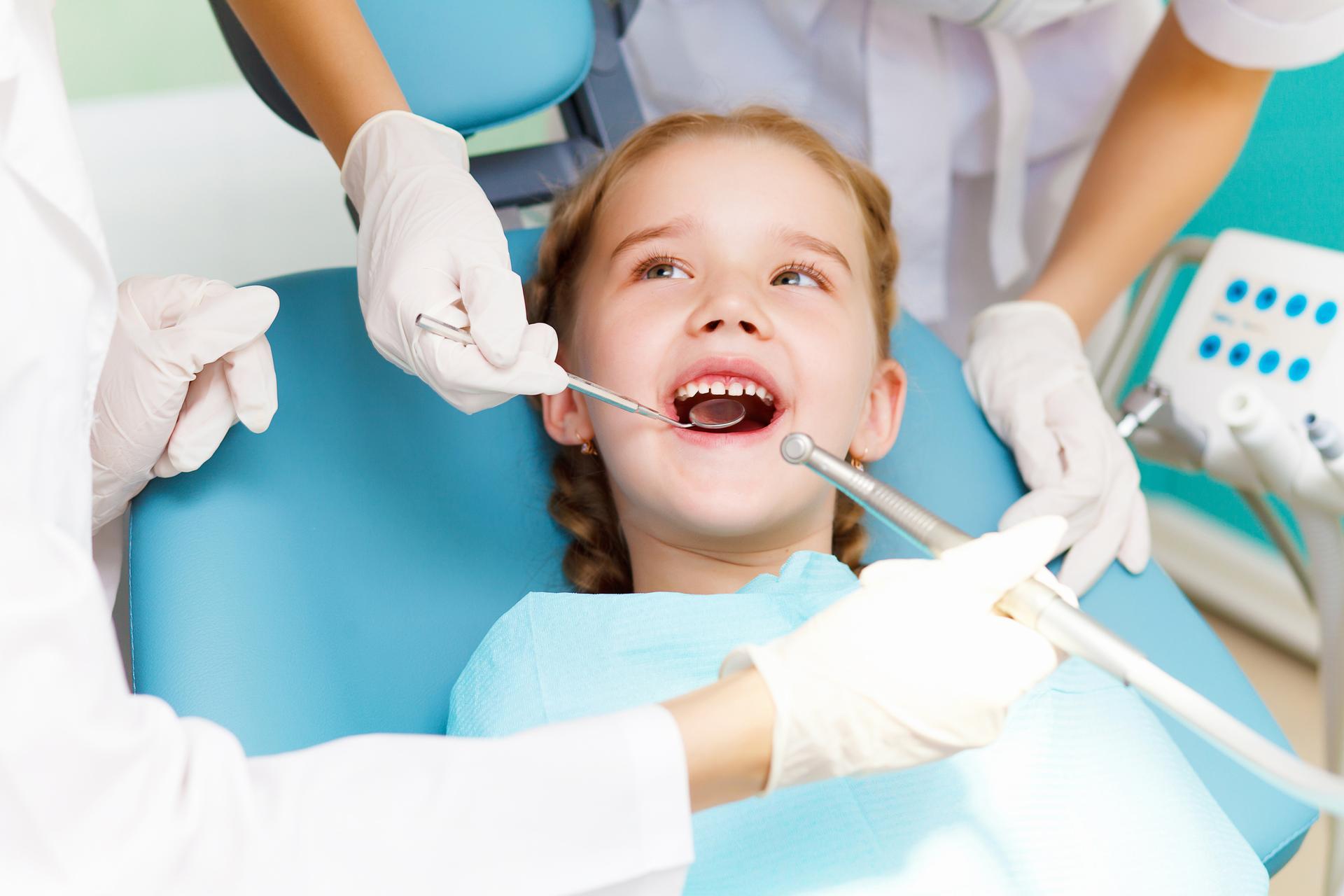
The first dental visit represents a significant milestone in your child’s health journey. For many parents, it also brings anxiety and uncertainty. Will my child cooperate? What if they cry or refuse to open their mouth? How do I prepare them without creating fear? These concerns are completely normal, and with the right preparation, you can help ensure a positive experience that sets the foundation for a lifetime of good dental health.
Creating positive early dental experiences matters more than many parents realize. Children who develop comfort with dental visits early on are more likely to maintain regular care throughout their lives. Conversely, traumatic early experiences can create dental anxiety that persists into adulthood, leading to delayed care and more serious oral health problems.
The good news is that pediatric dental practices have evolved significantly. Modern pediatric dentists understand child psychology and development, creating environments and approaches specifically designed to make children feel safe and comfortable. As a parent, your role in preparing your child and reinforcing these positive experiences proves crucial to long-term success.
Understanding the Right Timing for First Visits
Many parents wonder when to schedule that initial dental appointment. Dental professionals recommend bringing children in soon after their first tooth appears or around their first birthday, whichever comes first. This early timing surprises some parents who assume dental visits should wait until more teeth have emerged.
Early visits serve multiple important purposes beyond just examining teeth. They allow the dentist to assess oral development, identify potential issues before they become problems, and educate parents about proper care techniques. Perhaps most importantly, they help children become familiar with the dental environment before any treatment becomes necessary.
Starting early also allows you to address habits that could affect dental health, such as prolonged bottle use, thumb sucking, or pacifier dependency. Your pediatric dentist can provide guidance on managing these behaviors in age-appropriate ways that protect developing teeth and jaws.
Waiting too long for the first visit means you might be scheduling it in response to a problem rather than for prevention. When a child’s first dental experience involves treating pain or decay, it naturally creates more stressful associations with dental care that can be difficult to overcome.
Preparing Your Child Through Age-Appropriate Communication
How you talk about the dentist significantly influences your child’s expectations and attitude. The key is providing enough information to prevent fear of the unknown while avoiding details that might create unnecessary worry.
For toddlers and very young children, keep explanations simple and positive. You might describe the visit as a chance to have someone count their teeth, look at their smile, and make sure everything is growing properly. Use words like “clean,” “healthy,” and “strong” rather than potentially scary terms like “drill,” “shot,” or “hurt.” Even mentioning that something won’t hurt can introduce the idea that it might, so focus on positive descriptions instead.
Preschool and early elementary children can handle slightly more detail. You might explain that the dentist has special tools for looking at teeth carefully and keeping them clean. Reading age-appropriate books about dental visits can help familiarize children with what to expect. Many children’s books feature beloved characters visiting the dentist, making the experience seem normal and positive.
What to Expect During the First Visit
Understanding the typical flow of an initial pediatric dental visit helps you prepare your child and reduces your own anxiety about the unknown.
Most first visits begin with paperwork and a conversation between parents and dental staff about the child’s health history, oral care routines, diet, and any concerns you might have. This discussion often happens while your child plays in the waiting area or explores the treatment room, allowing them to become comfortable with the environment.
The examination itself usually starts very gently. The dentist or hygienist might begin by simply talking with your child, asking them to show their teeth in a mirror, or counting teeth together. This gradual approach helps children warm up to the process before anyone looks in their mouth.
Managing Anxiety and Resistance
Even with excellent preparation, some children still feel anxious or resistant about dental visits. Understanding how to handle these situations helps prevent temporary nervousness from becoming long-term dental anxiety.
Stay calm and positive yourself. Children look to parents for cues about whether situations are safe. If you appear worried or anxious, your child will pick up on those signals. Maintain a relaxed demeanor, even if your child is upset, conveying through your behavior that everything is okay.
Validate feelings while maintaining expectations. It’s fine to acknowledge that your child feels nervous or scared—dismissing those emotions rarely helps. However, you can validate feelings while still maintaining that the visit is necessary and will happen. You might say something like “I know this feels new and maybe a little scary, but the dentist is here to help keep your teeth healthy.”
Trust the dental team’s expertise in managing resistant children. Pediatric dentists encounter anxious or uncooperative children regularly and have strategies for building trust and gaining cooperation. They might use tell-show-do techniques, where they explain what they’ll do, demonstrate on a model or their own hand, and then perform the action.
Building Positive Habits at Home
What happens between dental visits matters just as much as the visits themselves. Establishing good home care routines reinforces the importance of oral health and makes professional cleanings and examinations easier.
Create consistent brushing routines that happen at the same times each day. Consistency helps children understand that oral care is a non-negotiable part of daily life, like getting dressed or eating meals. Making it part of the regular routine rather than something optional reduces resistance over time.
Make oral care as enjoyable as possible. Let children choose toothbrushes featuring their favorite characters or colors. Use toothpaste flavors they enjoy. Play songs or set timers to make brushing time more fun. Some families turn brushing into a together activity where everyone brushes at the same time, making it feel social rather than isolating.
Model good oral health habits yourself. Children learn more from what they see than what they hear. When they observe you brushing regularly, flossing, and maintaining your own dental appointments, they internalize that these behaviors are normal and important.
Limit sugary snacks and drinks between meals. Frequent exposure to sugar creates conditions where cavity-causing bacteria thrive. While completely eliminating sweets isn’t necessary or realistic, being mindful about the frequency and timing of sugary foods helps protect developing teeth.
Schedule Your Child's First Visit Today
Your child’s dental health journey begins with that important first visit. Creating positive early experiences sets the foundation for a lifetime of healthy smiles and comfortable dental care. You don’t have to navigate this milestone alone—our practice specializes in making children feel safe, comfortable, and even excited about dental visits.
Our team understands that every child is unique, with different temperaments, developmental stages, and comfort levels. We take time to build relationships with young patients, working at their pace and using gentle, child-friendly approaches that reduce anxiety and build trust. Our office environment is designed specifically for children, with welcoming spaces that make visits feel fun rather than frightening.
Contact us today to schedule your child’s first dental visit or to discuss any concerns you might have. We’re happy to answer questions, arrange a preliminary office tour, or simply talk through how we can make your child’s dental experience positive and successful. Your child deserves a healthy smile and positive dental experiences—let us help make that happen.
Frequently Asked Questions
My child is terrified of doctors. Will they also fear the dentist?
Not necessarily. While some anxiety might transfer, pediatric dental offices look and feel very different from medical offices. The absence of shots, the different equipment, and child-focused environments often make dental visits less frightening than doctor appointments for many children. Focus on the differences rather than similarities when preparing your child, and give them a chance to form their own impression of the dental experience.
Should I stay with my child during the appointment or wait in the lobby?
This depends on your child’s age and temperament as well as the practice’s policies. Most pediatric dentists welcome parents to stay with very young children, toddlers, and anxious children. Some older children actually do better without parents present, as they focus more on the dental team and feel more independent. Discuss options with your dentist and follow their recommendations based on experience with what typically works best.
What if my child refuses to open their mouth?
Pediatric dentists are skilled at working with resistant children and have many techniques for encouraging cooperation. They might use games, show rather than tell approaches, or simply give your child time to become comfortable. Some resistance during first visits is completely normal. The team will work at your child’s pace, and even if a full examination isn’t possible the first time, the visit still serves the important purpose of building familiarity and trust.
How often should my child visit the dentist?
Most children should have dental checkups twice yearly. These regular visits allow the dentist to monitor development, catch potential problems early, and reinforce good oral health habits. Some children with higher cavity risk or special needs might need more frequent visits. Your dentist will recommend an appropriate schedule based on your child’s individual needs.
Tag Post :
Age Guide For Braces,Braces,Orthodontics
Share This :

24/7 Emergency Dentistry
Dental emergencies can happen anytime. Our team is here to provide prompt and effective relief for tooth pain, broken teeth, and more.