
5 Signs It’s Time to Consider Dental Implants
January 28, 2026
General Dentistry
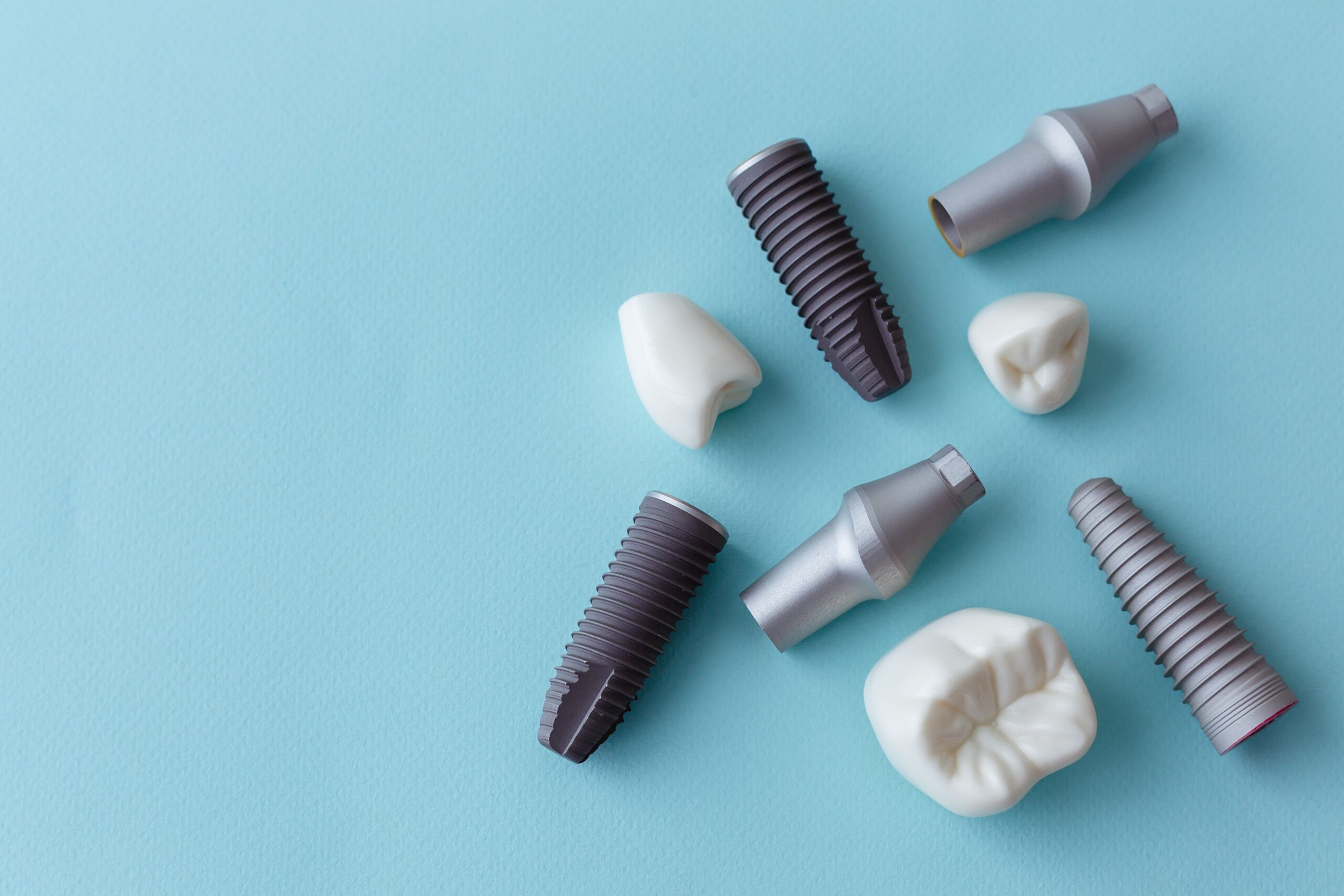
Missing or damaged teeth can affect more than just your appearance. From the way you eat to how you feel about your smile, dental concerns can have a ripple effect on daily life. While there are various approaches to addressing tooth loss, dental implants have become an increasingly popular consideration for many people looking to restore their smile and oral function. Understanding when this option might be right for you can help you make informed decisions about your oral health journey.
You're Experiencing Difficulty Eating
When teeth are missing or damaged, enjoying a meal can become surprisingly challenging. You might find yourself avoiding certain foods or chewing predominantly on one side of your mouth. This shift in eating habits often happens gradually, and you may not even realize how much you’ve adjusted your diet until you stop and think about it. Foods that were once favorites might now seem too difficult to manage comfortably.
Beyond discomfort, tooth loss can subtly influence your nutrition. You might gravitate toward softer foods simply because they’re easier to eat, even if they’re not what you’re truly craving. This isn’t just about missing out on crunchy vegetables or a perfectly cooked steak—it’s about being able to eat what nourishes you without limitation. When dietary freedom becomes restricted, exploring dental services designed to restore function may be worth considering.
You're Feeling Self-Conscious About Your Smile
A smile is often one of the first things people notice, and when you’re not comfortable with yours, it can affect how you interact with others. You might catch yourself covering your mouth when you laugh, hesitating before smiling in photos, or feeling a bit reserved in conversations. These small adjustments can accumulate over time, subtly changing how you present yourself to the world.
The way you feel about your smile can influence your overall sense of confidence. Whether it’s at work, during social gatherings, or in everyday interactions, feeling uncertain about your teeth can create an underlying worry. Many people don’t realize how much their dental situation affects their self-assurance until they begin exploring solutions that could help them feel more like themselves again.
You're Dealing With Ongoing Oral Health Challenges
Perhaps you’ve tried other approaches to address your dental concerns, but they haven’t quite provided the stability or comfort you were hoping for. Some restorative options require more maintenance than you anticipated, or they might not feel as secure as you’d like. When your current solution isn’t giving you the peace of mind you need, it’s natural to wonder if there’s an alternative that might better suit your lifestyle.
Tooth loss doesn’t exist in isolation—it can impact the surrounding teeth and your overall oral structure. You might notice that neighboring teeth are shifting or that you’re experiencing new concerns in areas that were previously healthy. Being attentive to these changes is an important part of maintaining your oral health, and recognizing when these shifts are occurring can help you take proactive steps.
You're Noticing Changes in Your Facial Structure
Over time, missing teeth can lead to changes in facial contours that you might not have expected. The jawbone naturally requires stimulation from tooth roots to maintain its density and shape. Without this stimulation, gradual changes can occur that affect how your face looks. You might notice these differences in photographs or simply when looking in the mirror, observing that something seems subtly different from what it used to be.
Preserving your facial structure and natural appearance is about more than aesthetics—it’s about feeling like yourself. When dental issues start to influence how you look, it can feel disconcerting. Being aware of these changes and understanding that there are options designed to support both function and appearance can be empowering as you consider what steps might be right for you.
You're Looking for a Long-Term Solution
Making decisions about your oral health often involves considering not just your current needs but also where you want to be in the years ahead. You might be thinking about durability, maintenance requirements, and how a solution will serve you as time goes on. This forward-thinking approach is valuable, as it helps ensure that the choices you make today align with your long-term wellness goals.
Some dental solutions require regular adjustments, replacements, or special care routines. If you’re someone who prefers a more permanent approach that integrates seamlessly into your daily life without constant attention, exploring all available options makes sense. Understanding what different restorative methods offer in terms of longevity and day-to-day ease can help you determine what aligns best with your preferences and lifestyle.
Recognizing these signs in your own experience is the first step toward making informed decisions about your oral health. Whether you’re dealing with one of these situations or several, understanding that there are restorative options available can bring a sense of relief. Your oral health is deeply personal, and what works for one person may not be the ideal fit for another. The important thing is to explore your options with curiosity and openness, knowing that solutions exist to help you regain comfort, function, and confidence in your smile. If you’re noticing any of these signs and wondering what might be possible for your situation, our team is here to help guide you through your options and answer any questions you may have. Contact us today to get started.
Frequently Asked Questions
How do I know if dental implants are right for my specific situation?
The best way to determine suitability is through a comprehensive consultation where your oral health, bone structure, and personal goals can be assessed. Every situation is unique, and a personalized evaluation helps identify the approach that makes the most sense for you.
What should I expect during the initial consultation?
During your first visit, your dental team will review your oral health history, conduct a thorough examination, and discuss your concerns and goals. This is also an opportunity for you to ask questions and learn about the various options available to you.
Can dental implants help if I've already experienced bone loss?
Bone density is an important consideration, and in some cases, additional procedures may be recommended to create a suitable foundation. Your dental team can evaluate your situation and discuss whether preparatory steps might be beneficial.
How long does the overall process typically take?
The timeline varies depending on individual circumstances, including your oral health, whether any preparatory procedures are needed, and your body’s healing response. Your dental team can provide a more personalized timeline after your initial assessment.
Will I need to change my oral care routine afterwards?
Maintaining good oral hygiene remains important, though your specific care routine may be similar to what you’re already doing. Your dental team will guide you in caring for your restoration to ensure its longevity and your continued oral health.
Tag Post :
Age Guide For Braces,Braces,Orthodontics
Share This :
24/7 Emergency Dentistry
Dental emergencies can happen anytime. Our team is here to provide prompt and effective relief for tooth pain, broken teeth, and more.
