
Teeth Whitening: What to Expect Before, During, and After
December 2, 2025
Orthodontics
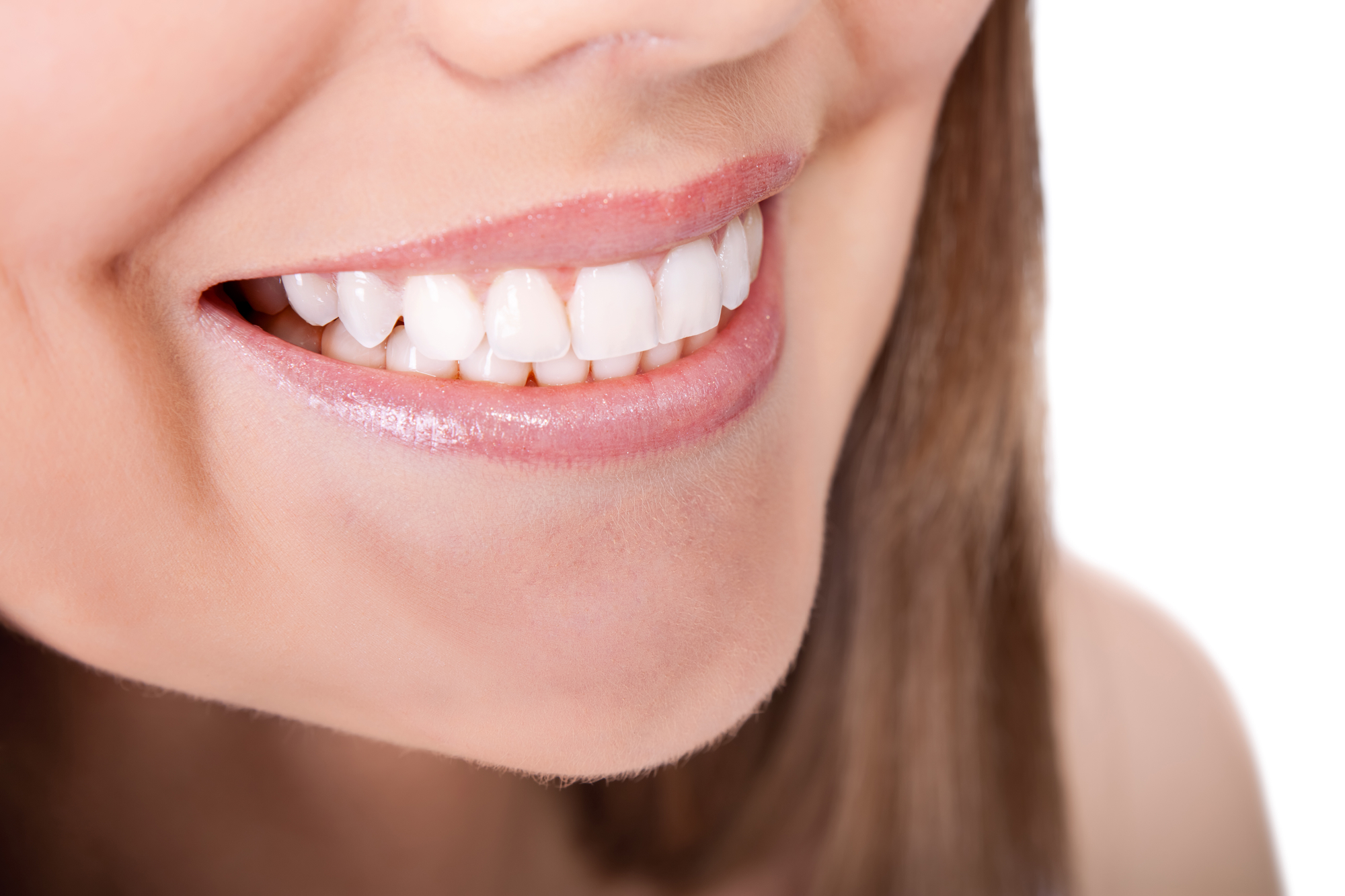
A bright, confident smile can make a world of difference in how you feel about yourself. If you’ve been considering teeth whitening, you’re not alone—many Canadians are curious about this popular dental treatment. Understanding what happens throughout the entire process can help you feel more comfortable and prepared for your journey toward a whiter smile.
Before Your Whitening Treatment
Understanding Your Options
When you first think about whitening your teeth, you’ll quickly discover there are different approaches available. Some people explore over-the-counter products from their local pharmacy, while others choose to have their whitening done at a dental clinic. The path you take depends on your individual needs, the current shade of your teeth, and what you’re hoping to achieve.
Before moving forward with any whitening treatment, it’s worth having a conversation with your dentist. They can examine your teeth and gums to make sure whitening is suitable for you. Certain dental conditions or existing dental work might affect how whitening works or whether it’s the right choice at this time.
Preparing Your Smile
Your teeth need to be in good health before you begin whitening. This means addressing any cavities, gum issues, or other concerns that could interfere with the process or cause discomfort. Think of it like preparing a canvas before painting—you want to start with a clean, healthy foundation.
Cosmetic dentistry encompasses various treatments designed to enhance your smile’s appearance, and whitening is just one option among many. Your dentist might suggest combining treatments or addressing other concerns first to help you achieve the best possible results.
Many people don’t realize that teeth whitening works differently depending on the type of stains you have. Surface stains from coffee, tea, or wine tend to respond well to whitening, while discoloration from certain medications or internal factors may be more challenging to address. Your dentist can help set realistic expectations based on your specific situation.
During Your Whitening Experience
What Happens at Your Appointment
If you’re having your whitening done at a dental clinic, the appointment typically begins with protecting your gums and soft tissues. The whitening agent needs to stay on your teeth, not the surrounding areas, so your dentist will take steps to shield these sensitive spots.
The whitening product is then carefully applied to your teeth. Depending on the method being used, you might sit comfortably for a period while the product does its work. Some whitening systems use special lights or heat to activate the whitening agent, while others rely on the product alone. The process is generally straightforward, and many people find it more comfortable than they expected.
You might experience some sensitivity during the treatment, which is completely normal. Your teeth are porous, and the whitening agent works by penetrating the enamel to break apart stain molecules. This process can temporarily make your teeth feel more sensitive to temperature or pressure.
At-Home Whitening
If you’re using a take-home whitening kit from your dentist, you’ll receive custom-fitted trays and detailed instructions. These trays are designed to fit your teeth precisely, ensuring the whitening gel stays where it should. You’ll typically wear these trays for a specified amount of time each day over several days or weeks.
The gradual approach of at-home whitening can be appealing because it allows you to whiten your teeth on your own schedule. You’ll also have more control over the final shade, as you can stop once you’re happy with the results.
After Your Whitening Treatment
The First Few Days
Right after your whitening treatment, your teeth may feel slightly sensitive. This sensitivity usually fades within a few days as your teeth adjust. During this time, you might want to avoid extremely hot or cold foods and beverages. Room-temperature options tend to be more comfortable.
Your dentist might recommend using a toothpaste designed for sensitive teeth or provide other suggestions to help manage any discomfort. Remember that this sensitivity is temporary and a normal part of the whitening process.
Maintaining Your Results
One of the most common questions people have is how long their results will last. The answer varies from person to person, but your daily habits play a significant role. Foods and drinks that originally stained your teeth will continue to have that effect, so you’ll need to think about how you can protect your newly whitened smile.
This doesn’t mean you need to give up your morning coffee or evening glass of red wine entirely, but being mindful can help. Rinsing your mouth with water after consuming staining beverages, using a straw when possible, and maintaining good oral hygiene all contribute to longer-lasting results.
Regular dental cleanings also help preserve your whitening results. These cleanings remove surface stains before they have a chance to set in deeply, keeping your smile looking fresh and bright between whitening treatments.
When to Consider Touch-Ups
Over time, you might notice your teeth gradually returning to a darker shade. This is natural and happens to everyone. The good news is that touch-up treatments are typically quicker and easier than your initial whitening. Your dentist can advise you on when a touch-up might be beneficial and what approach would work best for your needs.
Moving Forward With Confidence
Teeth whitening can be a wonderful way to refresh your smile and boost your confidence. By knowing what to expect throughout the entire process, you can approach your whitening journey feeling informed and prepared. Remember that every person’s experience is unique, and what works beautifully for one individual might differ for another.
That’s why we offer services, including cosmetic dentistry to improve your smile’s appearance and pediatric dentistry to ensure your child’s dental development is on the right track. If you’re curious about whether teeth whitening is right for you, reach out to our team to discuss your options and create a plan that fits your goals.
Frequently Asked Questions
Can I whiten my teeth if I have dental crowns or veneers?
Whitening treatments only work on natural tooth enamel and won’t change the color of crowns, veneers, or fillings. Your dentist can discuss how this might affect your overall results.
How soon can I eat normally after whitening?
You can eat right after your treatment, though you might want to stick with less pigmented foods for the first day or two to help your results last longer.
Will whitening damage my tooth enamel?
When done correctly under dental guidance, whitening doesn’t harm your enamel. Your dentist will ensure the treatment is appropriate for your teeth’s condition.
Can I whiten my teeth if I'm pregnant?
Many dentists recommend waiting until after pregnancy and breastfeeding to pursue whitening treatments, simply as a precautionary measure during this special time.
Tag Post :
Age Guide For Braces,Braces,Orthodontics
Share This :
24/7 Emergency Dentistry
Dental emergencies can happen anytime. Our team is here to provide prompt and effective relief for tooth pain, broken teeth, and more.